

seleção brasileira ao vivo: Brazil Match Previews in 2026
Kick-off Times
This block sits near the editorial guide on purpose: skim the times here, then use the longer copy below for how to read form, injuries in outline, and what a 'must-watch' actually means.
Follow seleção brasileira ao vivo with context before kickoff: what is at stake, which areas could decide the match, and how to interpret the seleção brasileira ao vivo squad call-up without confusing expectations with official confirmation. This page brings together an editorial look at the national team's upcoming fixtures, qualification paths, and the factors that often shape a preview, such as the schedule, fitness, and tactical choices.
The aim is to offer useful information both for those just starting to follow football and for those already watching pressure, width, transitions, and individual matchups. Dates and lineups may change; check official updates close to the match. Once the schedule is confirmed, the portal's match and score modules will show the available data, without replacing announcements from the CBF or the competition.
View sports coverage
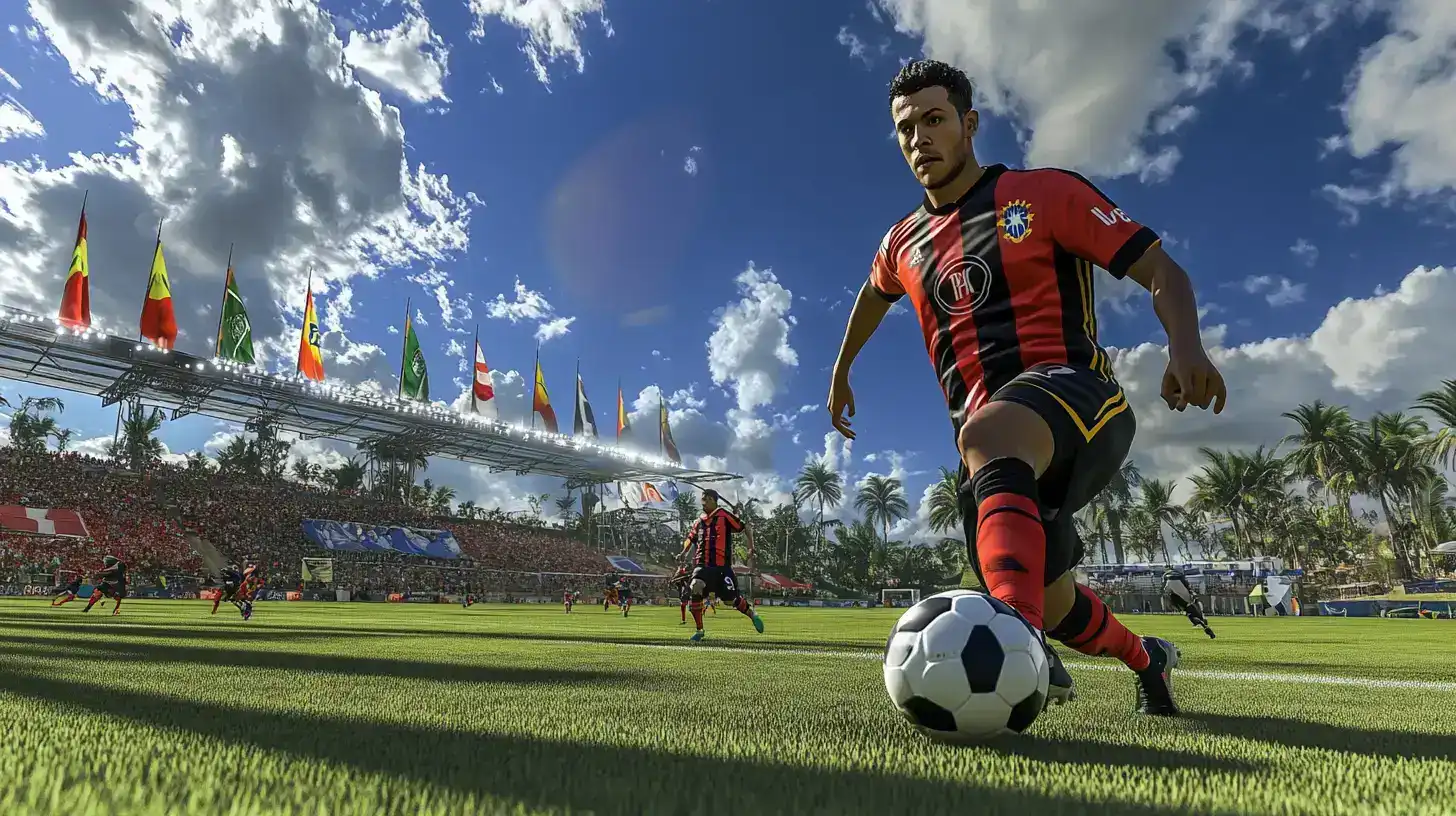
What to watch in Brazil's upcoming matches
A solid preview starts with the competitive importance of the match. In qualifying games, each round can affect the table position and the room to manage the schedule; in friendlies, the coaching staff may use the occasion to test combinations and give players minutes in different roles. So the label attached to a match does not tell the whole story: check the stage of the competition, the time since the team's last appearance, and what comes next.
For a seleção brasileira ao vivo match preview, first look at how the team plans to build from the back. If both full-backs push forward at the same time, the cover provided by the holding midfielders and center-backs becomes important; if one full-back stays deeper, the team may protect itself better against transitions but rely on other players to provide width. These adjustments help explain why possession alone does not describe control of a match.
The second point is chance creation. Movement between the lines, the quality of vertical passing, and occupation of the box can be more revealing than the raw volume of attacks. It is also worth watching the press after losing the ball: winning it back quickly can keep the opponent away from the box, while a press that is beaten can open space for counterattacks. These are trends to watch, not predictions of the result.
Home advantage and the stadium atmosphere are part of the analysis, but they do not lead to automatic conclusions. An away team may find space when its opponent pushes up; a compact opponent, meanwhile, may require patience, circulation, and well-prepared crosses. In our coverage, we compare these factors with the likely shape of the match and explain which battles could change its tempo, always distinguishing confirmed information from editorial hypotheses.
In 2026, the international calendar calls for special attention to call-up dates, travel, and recovery. The sequence of club and national-team commitments can affect players' availability and energy levels, especially during periods involving long trips. Before each match, check the local time in the fixtures module, the relevant competition, and any changes announced by the organizer; times may be adjusted for operational reasons.
New readers can follow a simple order: identify the competition, see what the match means, check which players are confirmed, and only then read the tactical trends. Those who have followed the game for longer can add metrics such as shots on target, entries into the box, and recoveries in the attacking half, provided they compare equivalent periods and take the level of the opponents into account.
Seleção brasileira ao vivo call-up: squad, absences, and balance
The seleção brasileira ao vivo call-up should be read by role, not just as a list of names. Having players with different attributes allows the team to adapt to its opponent: a dribbling winger can attack the outside space, while a short-passing midfielder can bring the lines closer together and help control the tempo. Final availability, however, depends on the official announcement, medical assessments, and any changes before the squad reports for duty.
Injuries and suspensions are part of the context, but an absence alone does not determine the game plan. The coaching staff can reorganize the area, change the height of the press, or choose a more defensive-minded player. In our updates, we distinguish confirmed absences, reported doubts, and simple tactical possibilities. This prevents social media rumors from being turned into news and helps explain the likely impact without claiming a player will be out before there is reliable confirmation.
In midfield, the central question is usually the balance between winning the ball back and progressing play. A holding midfielder who protects the central zone can free up the full-backs; a player who carries the ball can break through the first line of pressure; and a creative midfielder can find passes between defense and midfield. The combination chosen also depends on the opponent's approach. Against a high press, the build-up may look for more direct passes; against a low block, the team may need quick circulation and careful use of the channels.
In defense, watch the distance between the center-backs and midfielders, the cover behind the full-backs, and the response to set pieces. You do not need to know all the terminology to follow along: simply notice whether Brazil can stay compact when it loses the ball and whether the defenders have nearby cover. A high line can compress the pitch and make pressing easier, but it requires coordination to avoid leaving space in behind.
The attack is not just about the center-forward either. Swapping positions between wingers and midfielders can shift the defense, while runs from deeper positions create additional options in the box. In future previews, we will point out the most likely channels to exploit and the relevant individual matchups, without presenting projected lineups as if they were official. Confirmation should come from CBF and the match organizer.
To interpret breaking news, check the publication time, source, and any subsequent updates. A squad list does not guarantee a starting place, and taking part in an open training session does not confirm full fitness to play. The portal brings this context together in straightforward language for new readers and with data for those who have followed the national team for several seasons. This keeps discussion of the squad informative, careful, and grounded in what has actually been announced.
Head-to-head record, matchups, and how to compare trends
The head-to-head record between national teams can help identify patterns, but it should be used with caution. Squads, coaches, competitions, and circumstances change; a meeting from many years ago may have little bearing on explaining the current match. When looking at previous encounters, prioritize recent games and ask what has remained similar: pressing style, physical battles, use of the flanks, or difficulty creating chances against a compact defense.
It is also important to separate results from performance. A scoreline may reflect one isolated chance, a sending-off, or an individual error, while chance-creation statistics tell a different part of the story. Editorial analysis considers the volume and quality of chances, shots, set pieces, and off-ball behavior. No single indicator guarantees that the same pattern will recur in the next match.
When Brazil faces a familiar opponent, battles across the pitch can offer a more useful key than a general comparison of reputations. Watch whether the winger has room to advance, whether the opposing full-back is protected, and whether the midfield can move the ball under pressure. The answer may vary depending on the lineup and the plan adopted, so we update our analysis when relevant official information emerges.
To follow recent form, use a consistent sample, such as the last five matches, and identify the nature of each game. Mixing friendlies, tournaments, and matches with different starting players without context can distort the assessment. Rather than treating a run of results as a guarantee, look for trends: how often chances are created, the ability to respond after coming under pressure, and defensive stability at different stages.
Figures published on the portal should be read with their reference date and competition identified. If providers disagree, an update may depend on official confirmation from the organizer. We do not invent scores, dates, or positions: when a schedule has not yet been set, we indicate that it is awaiting confirmation. To check general coverage and find match pages, visit selecaobrasileiraaovivo.club.
A good analysis combines three layers: official information, performance context, and tactical interpretation. The first answers who is available and when the match takes place; the second describes what the teams have been doing; the third suggests where advantages may emerge. This distinction makes the preview useful both for readers looking for a quick explanation and for those who enjoy following movements, matchups, and changes over the ninety minutes.
Competitions and matchups to follow
The suggestions below highlight real tournaments and teams that help you follow the Brazilian and international football calendar. Match and kickoff availability depends on the official schedule; we do not assign future scores or invent results. Use the site's fixture modules to check the latest schedule.
South American Qualifiers
The qualifying campaign brings together rivals with distinct styles and calls for close attention to the standings, home advantage, and travel schedule. The preview looks at the battle for space in midfield and the ability to create chances against compact blocks.
Follow matchesCampeonato Brasileiro Série A
A long competition makes it possible to track home and away form, squad depth, and coaching changes. Each round is more meaningful when considered alongside the schedule and confirmed absences.
View coverageCopa Libertadores
The group and knockout stages present different challenges, especially when managing travel and approaching the second leg. Follow the matchups, stadium context, and teams' tactical development.
Explore matchesUEFA Champions League
The tournament pits top-level teams against different pressing and build-up styles. Previews highlight battles between the lines, transitions, and the impact of key players' availability.
Follow the tournamentPremier League
The intense pace and variety of styles make each round interesting for comparing pressing, width, and defensive transitions. Check recent form without overlooking the differences between opponents and competitions.
View previewsLa Liga
The competition combines teams with intricate possession play and fast-transition approaches. Analyses track use of the channels, creation between the lines, and possible adjustments when a team faces a low block.
Follow the roundSerie A
Defensive organization, control of space, and changes in shape are recurring points in the previews. Follow how absences and the schedule can alter the matchups between each team's units.
Read the analysisBundesliga
Matches featuring a high press and quick transitions offer good examples of collective intensity. The context of the round and player availability help explain each coach's choices.
Check matchesLigue 1
The championship brings together varied squads and young talents, with matchups that differ considerably in pace and territorial control. Previews focus on tactical fit and recent form without going beyond the data.
Follow the leagueHow to check data, matches, and standings

Data in context
Match modules may show the time, competition, match status, and score when confirmed by the provider. Standings should be read according to the league's official criteria, which may include points, goal difference, and head-to-head results. Check the update date and do not compare different snapshots as if they were equivalent.

Calendar and changes
Dates and times may change due to decisions by the organizer, broadcast arrangements, or logistics. Before following a match, confirm the time zone shown and look for recent announcements. For matches without a finalized schedule, the information should be treated as pending, not as a confirmed kickoff time.